EDIBLES CANADA: NAVIGATING THE REGULATED CANNABIS-INFUSED MARKET IN 2026 

The market for Canada Bliss Delta 9 Distillate has firmly established itself as a significant and sophisticated segment of the country’s legal cannabis industry by 2026. Offering a smoke-free alternative to traditional consumption, cannabis-infused products have become increasingly popular for their discreet nature, precise dosing, and diverse applications. For consumers, understanding the regulatory framework, the array of available products, and best practices for safe consumption is paramount to a positive experience. 

The Evolution of Edibles in Canada’s Legal Landscape 

Canada’s journey with legal cannabis began in 2018 with dried flower and oils. The “Cannabis 2.0” regulations, introduced in late 2019, expanded the legal market to include edibles, vapes, and concentrates. This second wave of legalization specifically addressed consumer demand for diverse product formats, recognizing the growing preference for alternatives to smoking. 

By 2026, the edibles Canada market is characterized by: 

  1. Strict Regulations: Governed by Health Canada, these regulations ensure product safety, consistent potency, and responsible packaging. 
  1. Robust Supply Chain: Licensed producers are innovating rapidly, bringing a steady stream of new and improved edible products to market. 
  1. Provincial Retail Models: Both government-run and privately operated provincial retailers offer edibles through physical stores and extensive online platforms, ensuring widespread access. 

Key Regulations Governing Edibles in Canada 

The Canadian regulatory framework for edibles is designed with consumer safety at its core. When purchasing edibles Canada, consumers benefit from: 

1. THC Potency Limits 

  • 10mg THC per package: This is a firm federal limit for all edible cannabis products. This measure is intended to help consumers, particularly those new to edibles, manage their intake and prevent accidental overconsumption. Each individual serving within a package must also clearly state its THC content. 

2. Mandatory Lab Testing and Quality Assurance 

All legal edibles in Canada must undergo rigorous third-party lab testing. These tests verify: 

* Accurate Cannabinoid Content: Ensuring the stated THC and CBD levels are precise. 

* Absence of Contaminants: Screening for pesticides, heavy metals, microbial contaminants (like mold and bacteria), and residual solvents. This stringent testing is comparable to the standards required for a research grade peptide, ensuring product purity and safety for consumers. 

3. Packaging and Labeling Requirements 

  • Child-Resistant Packaging: All edibles must be sold in packaging that is difficult for children to open. 
  • Plain and Discreet: Packaging must be plain, without bright colors, appealing imagery, or anything that might attract minors. 
  • Clear Information: Labels must include the standardized cannabis symbol, THC and CBD content per serving and per package, a list of ingredients, allergen warnings, and health warnings. 

A Diverse Menu of Edibles Available in Canada (2026) 

The variety of edibles Canada offers has grown exponentially, catering to a wide range of tastes and preferences. Consumers can now find: 

  • Gummies and Chews: Among the most popular for their ease of dosing and variety of flavors. 
  • Chocolates: Infused chocolate bars and individual truffles offer a classic treat. 
  • Baked Goods: While less common in pre-packaged legal formats due to freshness and shelf-life challenges, some specialty products like cookies are available. 
  • Beverages: Cannabis-infused drinks, from sparkling waters to teas and juices, provide a refreshing and fast-acting alternative, as cannabinoids in liquids can be absorbed more quickly. 
  • Capsules and Softgels: For those seeking a taste-free, precisely measured, and discreet option, often preferred for therapeutic use. 

Safe Consumption Practices for Edibles 

Due to their delayed onset and potentially more intense effects, responsible consumption of edibles is crucial. 

  • Start Low, Go Slow: For new users, begin with a very small dose (e.g., 2.5mg THC or less). 
  • Be Patient: Edibles can take anywhere from 30 minutes to 2 hours to feel the effects, depending on metabolism and other factors. Do not consume more within this waiting period. 
  • Duration: Effects can last significantly longer than inhaled cannabis, often 4-8 hours, with lingering effects possible. 
  • Store Responsibly: Always keep edibles in their original child-resistant packaging, clearly labeled, and out of reach of children and pets. Treat them like any other medication or potentially harmful substance in the household. 
  • Avoid Mixing: Do not combine edibles with alcohol or other substances, as this can amplify effects and lead to unpredictable outcomes. 

Conclusion 

The edibles Canada market in 2026 offers an exciting and accessible way to experience cannabis. By understanding the robust regulatory framework, appreciating the diverse product offerings, and diligently adhering to safe consumption guidelines, Canadians can confidently and responsibly enjoy these innovative cannabis-infused products. The emphasis on safety, transparency, and consumer education ensures that the edible experience remains both enjoyable and secure. 

Types of Cannabis Strains and Their Effects

Recent studies have confirmed that the cannabis plant has the potential to treat several medical conditions including anxiety, epilepsy and chronic pain. But not all cannabis produces the same effects on users since there are different strains of this plant. The different strains produce various effects on users and unless you understand which one you are using and for what purpose, you may find yourself in the state of cannabis misuse. Each strain has its unique values and contains unique chemicals that can be used for diverse reasons. But they are used for different reasons according to the strain type. 

The use of cannabis is mainly for recreational and medicinal purposes. For many years it has been used primarily for recreational purpose leading to abuse of the substance. It is until recently that it was discovered that cannabis has the potential to help with several medical conditions. There are three basic strains of cannabis; Indica, Sativa and hybrid. 

Cannabis Sativa

Cannabis Sativa is found in Eastern Asia even though it has gained widespread cultivation worldwide. This plant is relatively tall, approximately 4.5 metres or more, with long internodes and branches and tapered leaves. The leaves are narrow-bladed and long. Sativa is believed to have a more energizing effect than the other two strains. Apart from being used for recreational and as medicine, it is also used as a source of industrial fiber, food and seed oil. It is also used to control spiritual and religious moods. 

Uses

Cannabis Sativa has been found to help reduce anxiety and pain due to the CBD to THC ratio. A higher ratio of CBD against THC is less likely to induce anxiety. Due to its relaxing effects, it is mostly used for recreational and medicinal purposes. 

Cannabis Indica

Cannabis Indica is found in the Hindu Kush Mountains of India. It is more energizing than Sativa, with more CBD as opposed to THC although THC is no less. Due to the higher ratio of CBD to THC, it is used in reducing anxiety, epileptic bouts and chronic pain. Records show that cannabis is more effective against cancer pain and now.

Cannabis Ruderalis(hybrid)

The demand for Cannabis continues to rise which has given rise to many different breeds. Cannabis Hybrid is bred from numerous different strains for demand in the market. The strain is shorter with wider leaves unlike the other two. The most common hybrids are: 

Sativa*Sativa is the cross-breeding of various types of Sativa strains.

Indica*Indica is the cross-breeding of various strains of Indica Strains

Sativa* Indica is a strain with Sativa-dominant characteristics

Indica* Sativa is a strain with Indica-dominant characteristics

Cannabis is now gaining more importance due to the numerous health benefits according to recent polls carried in the US. There is a growing demand in parts of the world to have it legalized for its health benefits. More research should be carried out on the authenticity of these benefits and if proven to be biologically true, then a new approach should be adopted towards the use of cannabis.

Know more information :

https://getkush.cc/

What are the Provincial regulations on weed delivery in Canada ?

Weed delivery in Canada is regulated provincially. Legal retailers are allowed to ship weed only in the provinces where they operate. Although in most regions, privately owned stores are not allowed to deliver weed, and only official crown corporations can.

In Canada, regulations on weed delivery have become more convenient and efficient when managed provincially.

Weed delivery in Toronto 

There is a crown corporation in Toronto that operates as a monopoly, and it is the only one legally allowed to ship weed in that province. With the corona pandemic weed delivery in Canada, especially in Toronto province, the number of orders to be delivered daily is limited. 

Weed delivery in Montreal 

In Montreal province, residents can order cannabis online. Orders take two or three business days to be delivered. Weed delivery in Canada regulations is strictly followed in this province by verifying customers to be of legal age.

Weed delivery in Vancouver 

In Vancouver, provincial regulations are loosened, allowing privately owned stores to offer online and phone pick-up orders in stores. Delivery terms and fees will vary across the province. The type of weed you submit can also determine the shipping fee and method. Weed delivery in Canada, especially in Vancouver province, has created employment opportunities.

Weed Delivery in Halifax 

Provincial retailers are allowed to offer shipping services. Delivery time and fees vary across the province. Online orders are not processed in be centralized weed warehouse but by the suppliers. Ordering from multiple producers may lead to more delivery fees. Weed delivery in Canada regulations is observed in this province.

Weed delivery in Calgary and Edmonton 

This province is leading Canada with the highest number of licensed cannabis stores. Although through weed delivery in Canada regulations, not all stores are open for deliveries. 

Weed delivery in Saskatoon 

Private retailers in Saskatoon province are allowed to offer delivery services. All licensed retailers observe weed delivery in Canada‘s regulations. Age is also checked before delivery, as well as another factor. Delivery terms and fees are determined by the type of weed you have ordered and the location within the province. 

In conclusion, weed delivered by Canna Lyft is regulated provincially. Several restrictions are put in place by each province; as much as there are pros and cons in the shipping of weed with the government’s rules, the cons are significantly reduced. Canada’s economy has grown due to the legalization and the introduction of weed delivery.

Medical Marijuana Uses for Chemotherapy Patient

Cannabis sativa is a scientific name of a globally controversial plant commonly knowns as marijuana. Growing, smoking, or owning these plants is illegal in most countries since it’s considered a drug. In some countries, it has been legalized. The growth in science and research has revealed that marijuana does have a medical value. In this article, let’s discuss the medical marijuana uses for chemotherapy patients.

Pain Reliever

Cancer patients undergoing treatment are subjected to chemotherapy causing immense pain. Tetrahydrocannabinol (THC) is an essential chemical in medical marijuana uses for chemotherapy patients. It works as a temporary pain reliever. It reduces the pain signals from reaching the brain. Most pain with cancer patients is caused by inflammation. Marijuana has been proven to be an effective anti-inflammatory.

Nerve Damage

In the medical field, it is known as Neuropathy. Neuropathy is nerve damage characterized by body weakness, numbness, and a burning sensation in the hands and feet. It commonly happens to those undergoing chemotherapy and other types of cancer treatment. Cannabinoids (CBD) and tetrahydrocannabinol (THC) have exhibited a high potential of adding to the medical marijuana uses for chemotherapy patients, as its elements can repair the nerves.

Nausea and Vomiting

Nausea and vomiting are such awful feelings. During chemotherapy, the patient experiences nausea and vomiting caused by the brain signal reacting to the ingested and absorbed chemicals and drugs in the blood. Marijuana contains two synthetic cannabinoids chemicals. They are known as dronabinol and nabilone. They have been approved to treat nausea and vomiting caused by chemotherapy and other cancer treatments.

Weight Loss

Cancer cells take more energy compared to healthy cells. As a result, the body tends to burn more calories than regular times. It reduces the calories in the body substantially, causing considerable weight loss. The most common remedy for weight loss is increased food intake. The research on medical marijuana uses for chemotherapy patients has shown that tetrahydrocannabinol (THC) increases appetite hence helping in slowing down weight loss. 

Even though medical marijuana uses for chemotherapy patients and other medicinal values it has, there are still a few facts to remember. The plant’s legality is not uniformly accepted globally; hence living in a country or state wherein illegal possession may land you in trouble. The most common intake is by smoking. Smoking itself poses a significant danger to lung and respiratory-related illnesses. Also, it can be addictive, making the user dependent on it.

mail order marijuana

A to Z about CBD for Better Sleep

In this manuscript, we are going to focus on different topics concerning CBD for Better Sleep. This topic comprises of effects, how to use, and side effects and safety interests of this product.  

CBD might help you to sleep. CBD also names Cannabidiol is among the major cannabinoids found in cannabis plants. Cannabinoids interact with your system called endocannabinoids which aids your body keep stability, balance, or homeostasis. CBD is not psychoactive such that the user don’t get ‘high’. Rather, it has many health applications life relieving pain and reducing seizures to victims with epilepsy.  Research shows that CBD can aid you to have a better sleep. 

Effects of CBD for Better Sleep 

It is promising to know whether CBD can enhance sleep. First, we should understand the spurs of poor doze. Some of the things that cause poor sleep are anxiety, depression and post-traumatic stress. Moreover,  Environmental facets like uncomfortable beds and noise can cause poor doze.  CBD may aid in treating external factors that lead to insomnia. CBD can heal anxiety which leads to insomnia as researchers propose. Nevertheless, cannabidiol aids in relieving pain which may lead to sleeping difficulties. Cannabidiol reassures pain this reducing discomfort when sleeping. CBD impacts the sleep process. Researchers say that cannabidiol improves the signs of REM doze demeanor disorder. This is a disorder in which someone acts out his nightmare. CBD can aid in dealing with RBD meaning it treats undue daytime drowsiness.  Grogginess is a sign of insomnia.  Cannabidiol may affect grogginess. According to research CBD facilitates being awake.   

How to use CBD for better sleep 

There exist several ways to consume CBD. Often different varieties are comprising:  Tinctures and oils, capsule and oils, vape concentrates, and edibles. Vaping CBD reaps in your system very fast compare to other forms. Like, aping may lead to respiratory effects. The amount of CBD you consume depends on several factors like weight. The best thing is to take the dosage that you like by using it in the right manner. 

Side Impacts and Insurance Interest of CBD for Better sleep  

Many surveys on the insurance of Cannabidiol conclude that it is a quite prudent treatment. Side impacts are quite unusual, however, you might experience several minor side impacts like fatigue, loss of appetite, loss of weight, and diarrhoea. Users can also take a stride to interact with medics on how to use the product before consuming it. 

Moving towards the bottom line of this article, there are several benefits of using CBD for better sleep. However, there are minor side impacts of using this CBD product.  There are distinct forms of this commodity where some are vaped and others are in form of pills. Those who have challenges in using this CBD commodity are recommended to visit medics to help before consuming buy weed online

Consume CBD outcomes and benefits

CBD has gained popularity as one of the most common cannabinoid compounds extracted from the hemp plant. A subsequent wave of innovation has given consumers a plethora of options for consuming cannabidiol Canadian Wescoast botanics. Each mode of administration has its own set of outcomes and benefits. Find some of the best ways to consume CBD and any other thing you need to know about each method of consumption. 

Topical Application 

If you’re mainly interested in trying CBD for muscle pains and aches, a topical application where you apply it to your skin rather than swallowing might be the right choice. The benefit of topical applications is that it is easy to implement and focuses on a specific area. Athletes prefer it because it helps with injuries and pain. Several CBD products are made for topical use. In most cases, such products are combined with other natural and herbal products to provide relief from various joint and muscle pains. If you experience joint pains and other related issues, this option can be beneficial to you. 

Oral Ingestion 

Ingesting CBD is an excellent place to begin if you’ve never tried it before. You are probably already used to taking capsules and tablets, so taking CBD through these forms won’t be any strange. And, since pills come in pre-measured sizes, it’s simple to keep track of your dose. 

It’s crucial to get the right dosage, and getting a consistent concentration makes it simple to discover what works best for you. Capsules may take up to 45 minutes to make their way into your bloodstream, and then they can stay for several hours. This method works efficiently and faster, and it is useful if you can consider it. 

Tinctures 

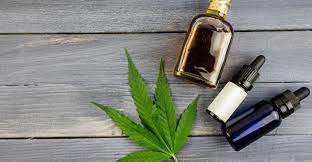
Tinctures are among the most common CBD consumption options. It requires the use of an eyedropper to absorb CBD sublingually and orally or under the tongue. When CBD is sublingually taken, it functions better, and more of it reaches your bloodstream. 

Tinctures are mostly made up of three essential ingredients: alcohol, CBD, and some spice to make them more pleasing. The main reason why tinctures are so common is that it’s easy to get the right amount of CBD. You accurately take the exact measurements of what you require. 

Edibles 

Taking CBD with edibles is very much possible. CBD is now used in a variety of foods, gummies, beverages, and snacks. Taking CBD in edibles makes it ideal for users on the go who want just a small dose rather than a continuous dosage.  

When it comes to edibles, one factor to bear in mind is the calorie content. It’s effortless to consume snacks excessively, whether they contain CBD or not. So it is vital to be more careful as you don’t want to consume excess calories and overdose on CBD. 

Before you settle on the best way to consume CBD, you need to consider why you are using it and how it seamlessly fits into your life. It’s fair to try one method and then turn it up if necessary!